Fantasy
Details coming soon.
A new direction, currently in development. Full details will be published here closer to release.
The Professional Reality of Modern, Future, and Historical Combat.
Military fiction built on detailed technical research, operational realism, and the professional culture of combat crews. From near-future AI warfare and RAF strike operations to Second World War tank warfare, each series follows combat at the level where it is actually fought.
The Alternative Histories series asks what the twentieth century looks like when its pivot moments go differently — when the wrong man survives, the wrong fleet holds its ground, the wrong silence is broken.
The fantasy series applies the same discipline to imagined worlds: military command, logistics, and the weight of decisions made by people who cannot afford to be wrong.
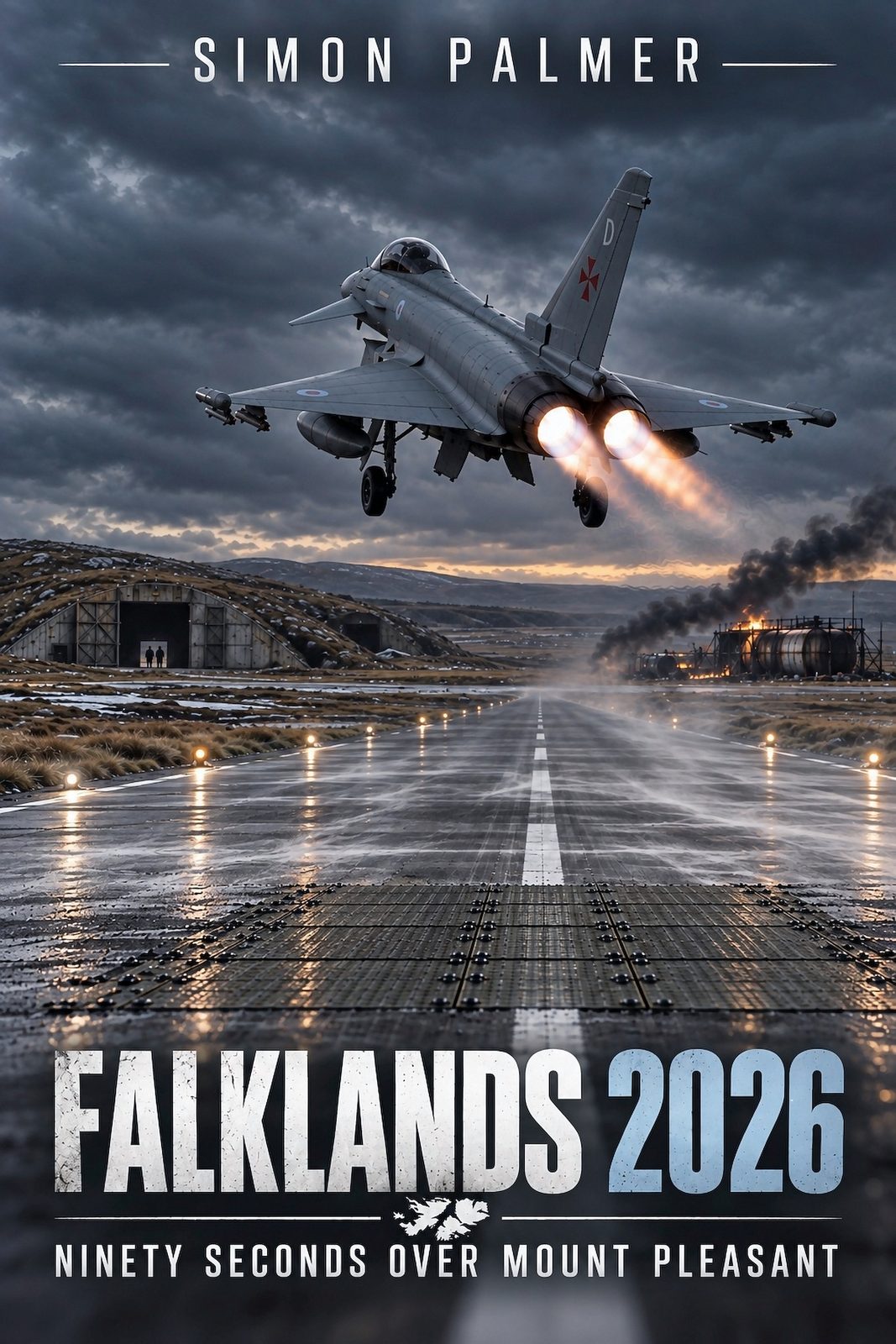
Argentina attempts to retake the Falkland Islands by coup de main. A swarm of one-way attack drones is launched from three chartered container hulls loitering legally in bad fishing water sixty miles north-east of Mount Pleasant. A five-man special forces cell, eight weeks in the migrant labour pool, services the air defence radar heads two minutes before the first impact. Twelve F-16s cross four hundred and thirty miles of ocean with no tanker, which buys them one pass at the runway and nothing else. A battalion group air-lands onto the apron an hour later.
The garrison has one answer, and it takes ninety seconds: klaxon to airborne, drilled to the second, run clean on a routine Tuesday four days earlier in eighty-seven. On the night every part of that drill is executed as well as it has ever been executed, and it fails by ten seconds — lost not to fear or incompetence but to a burning drone lying across a taxiway and a tug abandoned on the concrete by a driver who ran.
By dawn an Argentine battalion holds the western half of the complex, the runway is cratered in three places, nineteen British are dead and the recovery of the islands has been announced to the world. Every visible measure says the gamble has worked.
It has not. The question the whole war turns on was settled days before anyone fired, by a decision recorded in a routine signal and read by one officer who is not permitted to explain it to anybody — including the people about to fight for the islands. The reader watches four weeks of courage that shapes how the war ends without ever shaping whether.
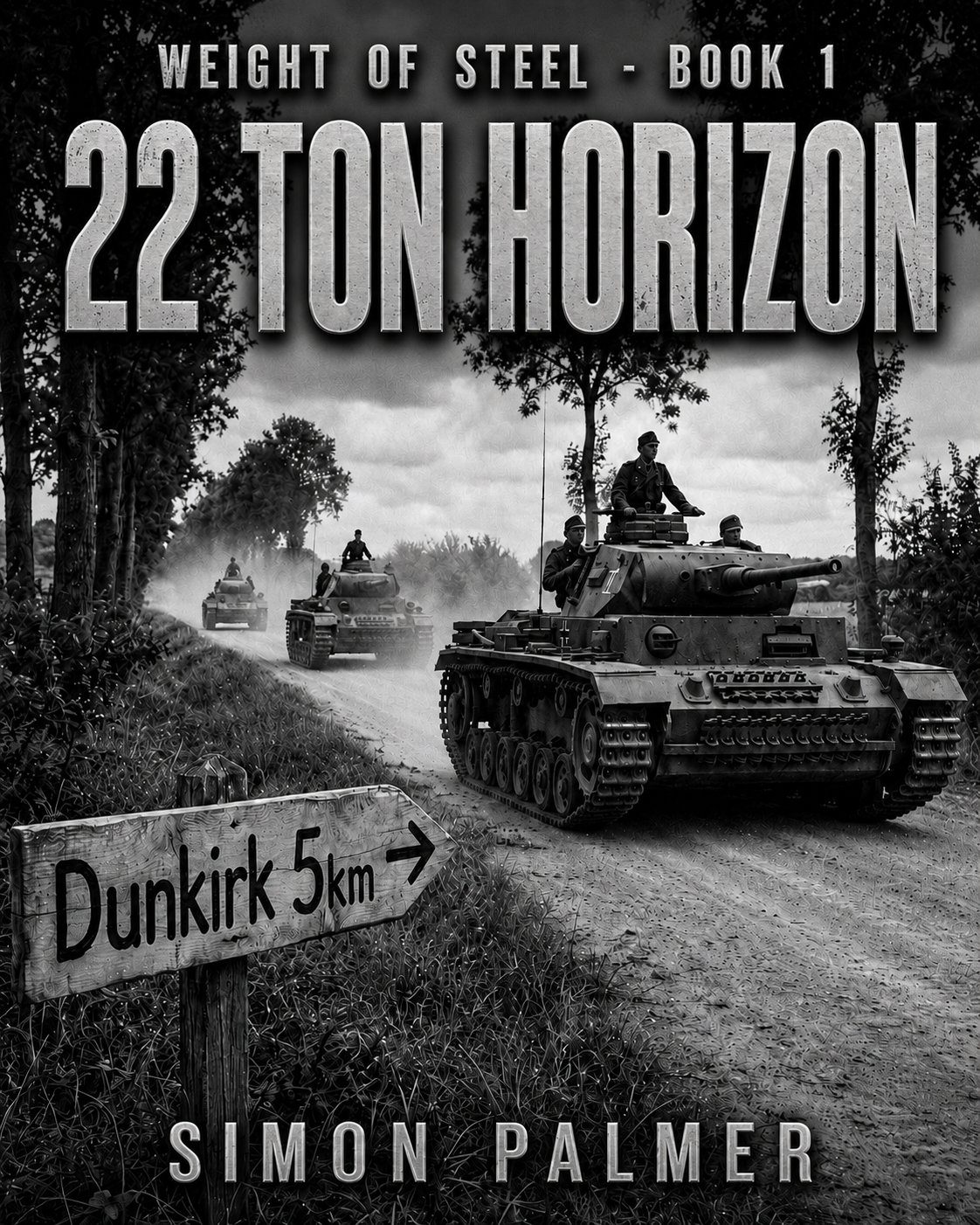
May 1940. A German Panzer III company punches through the Ardennes in the breakthrough that will stun the world. Commander Franz Kroll has trained for this. His driver can find a route through anything. His gunner doesn't miss.
For six weeks, nothing can stop them.
But Kroll keeps a log — not the official kind. The kind that records what the orders don't say. The fuel that didn't arrive. The infantry that couldn't keep up. The enemy tanks that took more rounds than they should have.
France is a victory. Kroll writes it down exactly as it was.
Because the maps on the table have already been turned east.
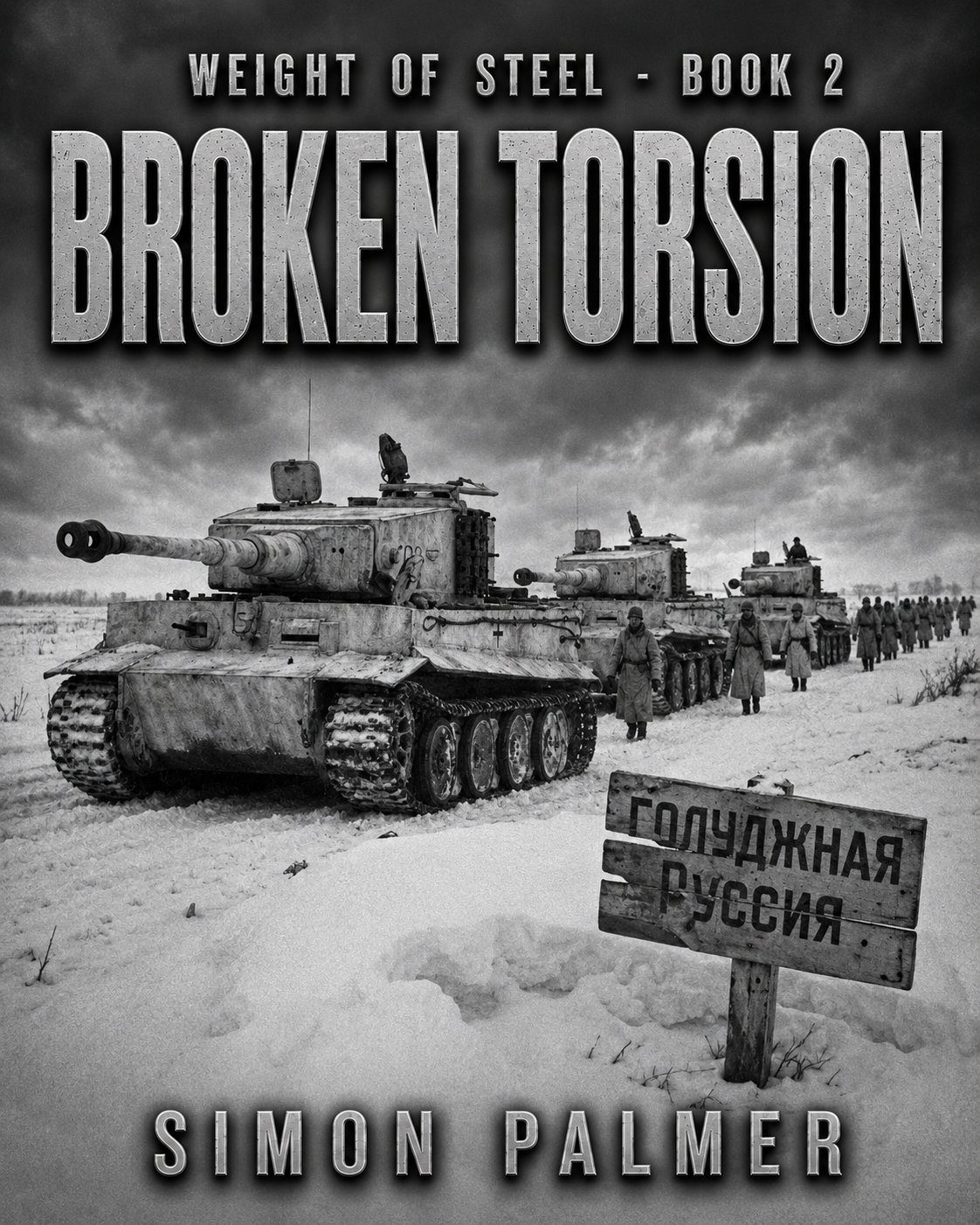
June 1941. Kroll's crew crosses into the Soviet Union with three million German soldiers behind them. Three weeks later, they discover their tank can't penetrate the frontal armour of a T-34.
The war just got harder.
Over five hundred days — through the mud of autumn, the killing cold of Russian winter, and the grinding siege war outside Leningrad — Kroll keeps his crew alive through the same method he's always used: knowing his vehicle better than the manual does, knowing the ground better than the map does, and writing down everything the official record leaves out.
The Tiger I that eventually replaces the Panzer III can destroy any Soviet tank it faces. It can't fix the supply lines. It can't bridge the rivers it's too heavy to cross.
The exchange ratio looks good on paper. Kroll's log tells a different story.
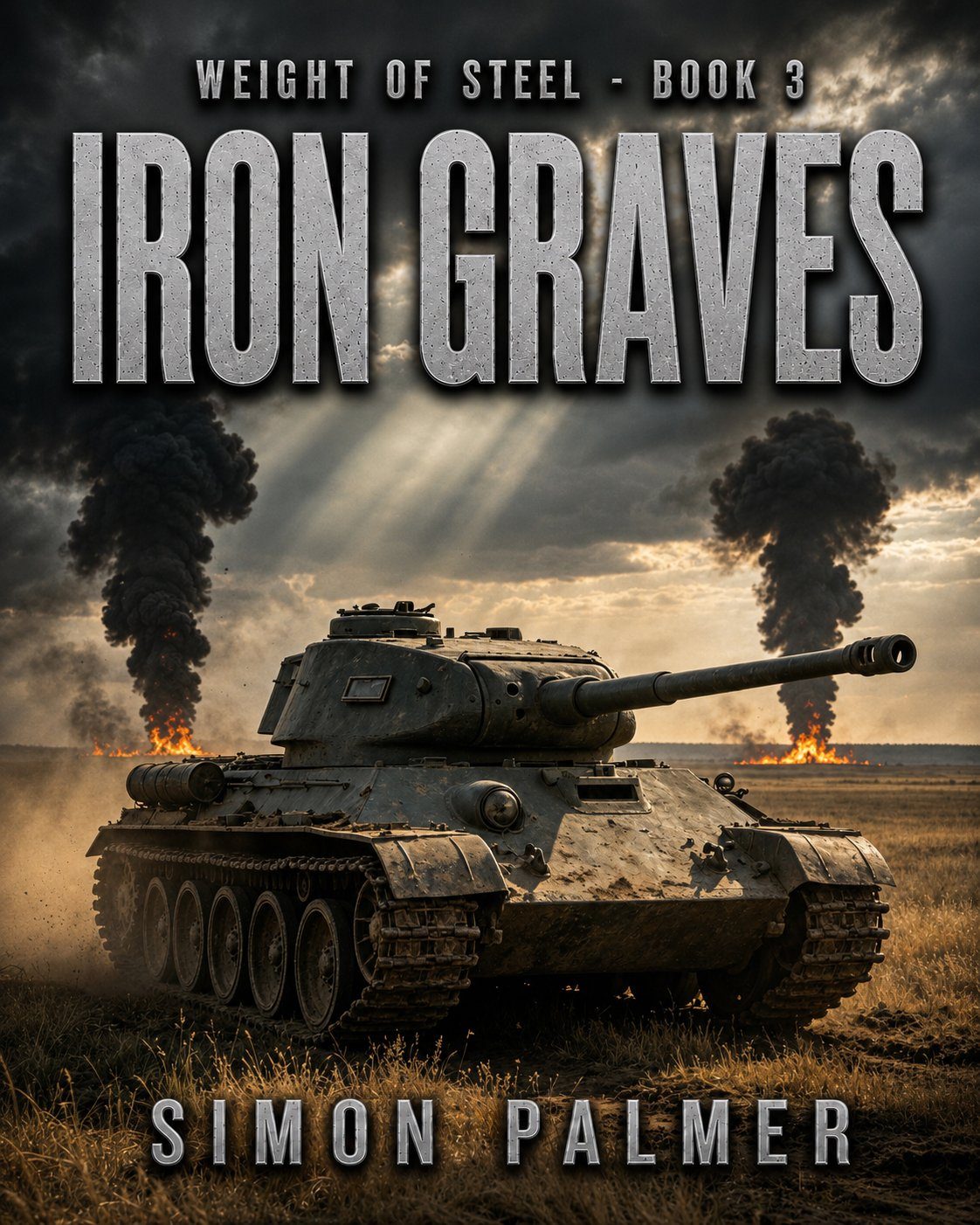
Summer 1943. The German army's last great offensive in the east launches into the biggest tank battle in history. Kroll's new vehicle — the Panther — is faster than the Tiger I, better-armed, and prone to catching fire. The Soviet forces have spent months digging in, laying mines, and waiting.
At Prokhorovka, in the smoke and chaos of close-range armoured combat, Kroll's crew fights for its life. They survive. Kroll sits down with his log and runs the numbers.
Eight hundred uncommitted Soviet tanks. A German reserve that doesn't come close.
The retreat begins. Across the Ukrainian steppe, Kroll fights a different war now — not to advance, but to hold on long enough to pull back, to preserve the crew, to keep the record.
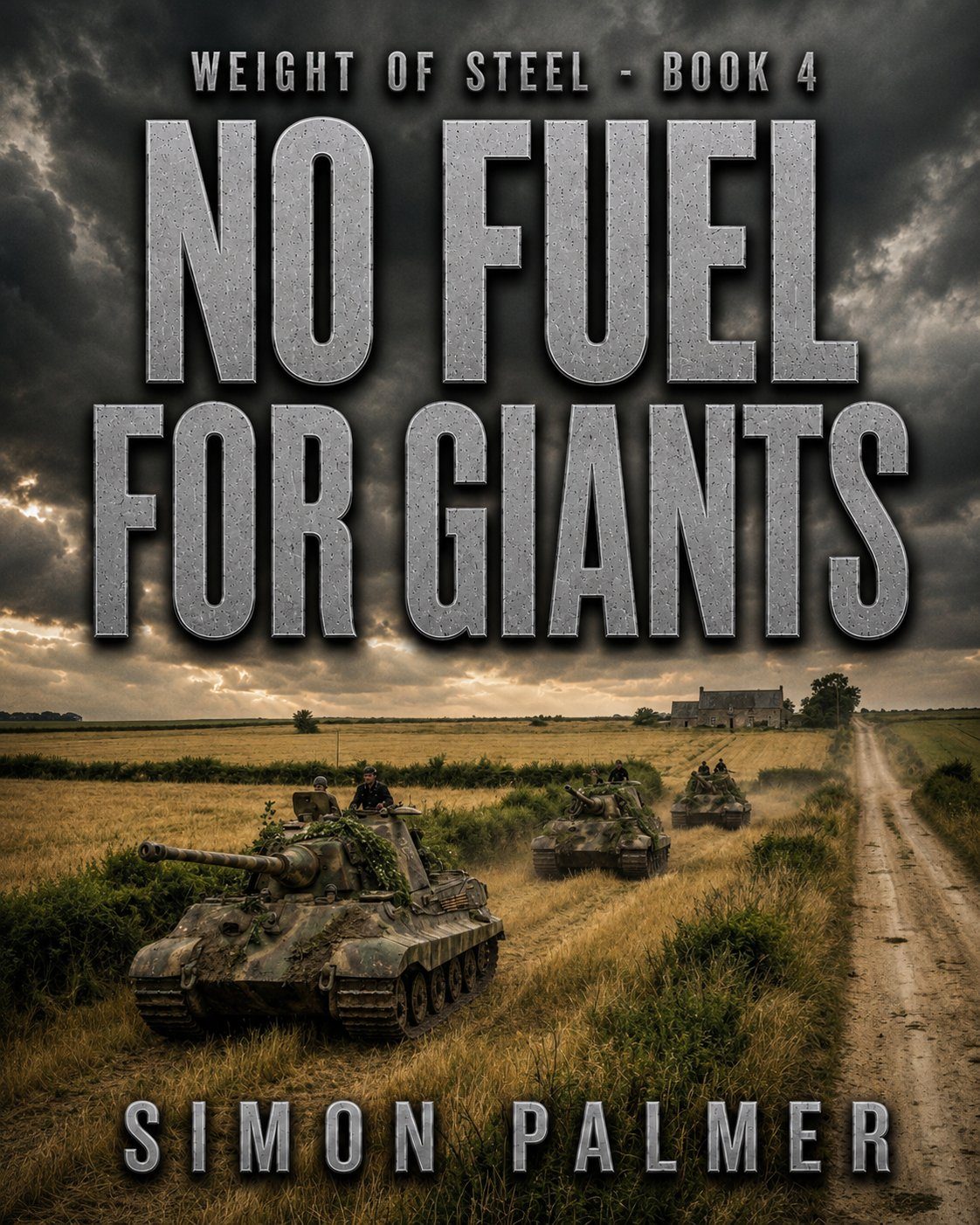
June 1944. Kroll's King Tiger arrives in France as the most powerful tank on the Western Front. Sixty-nine tonnes of armour. An 88mm gun that can kill a Sherman at two kilometres. And a fuel tank that empties faster than the supply lines can fill it.
The war Kroll faces in Normandy is not the war he fought in Russia. The Allies have learned. Their tanks work together with infantry and aircraft in ways the German army can't match. Every bocage hedge is a potential ambush. Every bridge is a question Kroll's driver has to answer.
Told through four perspectives — Kroll's crew, a British Firefly commander who has been studying German armour since 1940, an American tank destroyer sergeant who wins by choosing his ground, and a French woman who knows every bridge in the sector — No Fuel for Giants drives toward the end of the war at full throttle.
The fuel does run out. That's not the end.
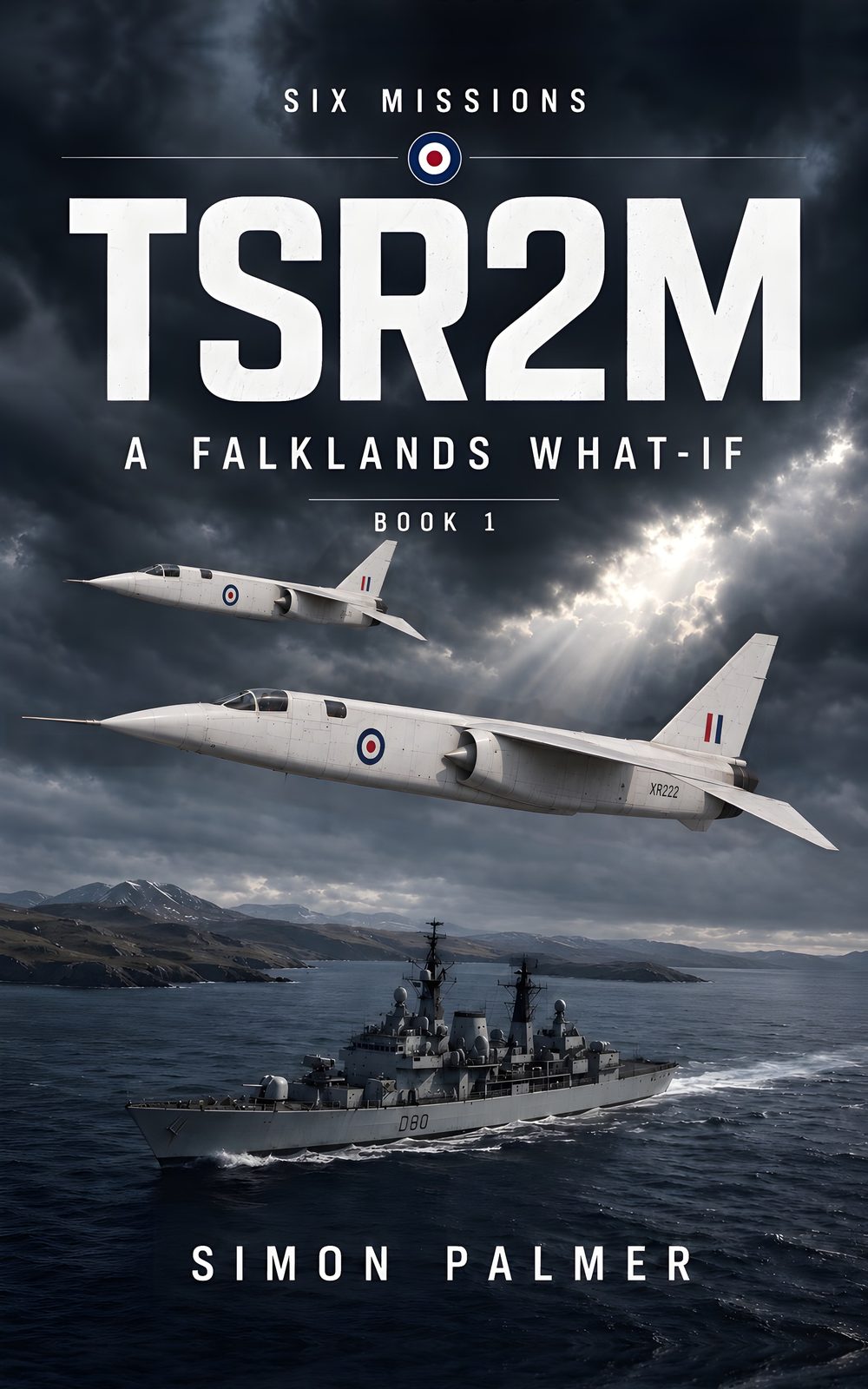
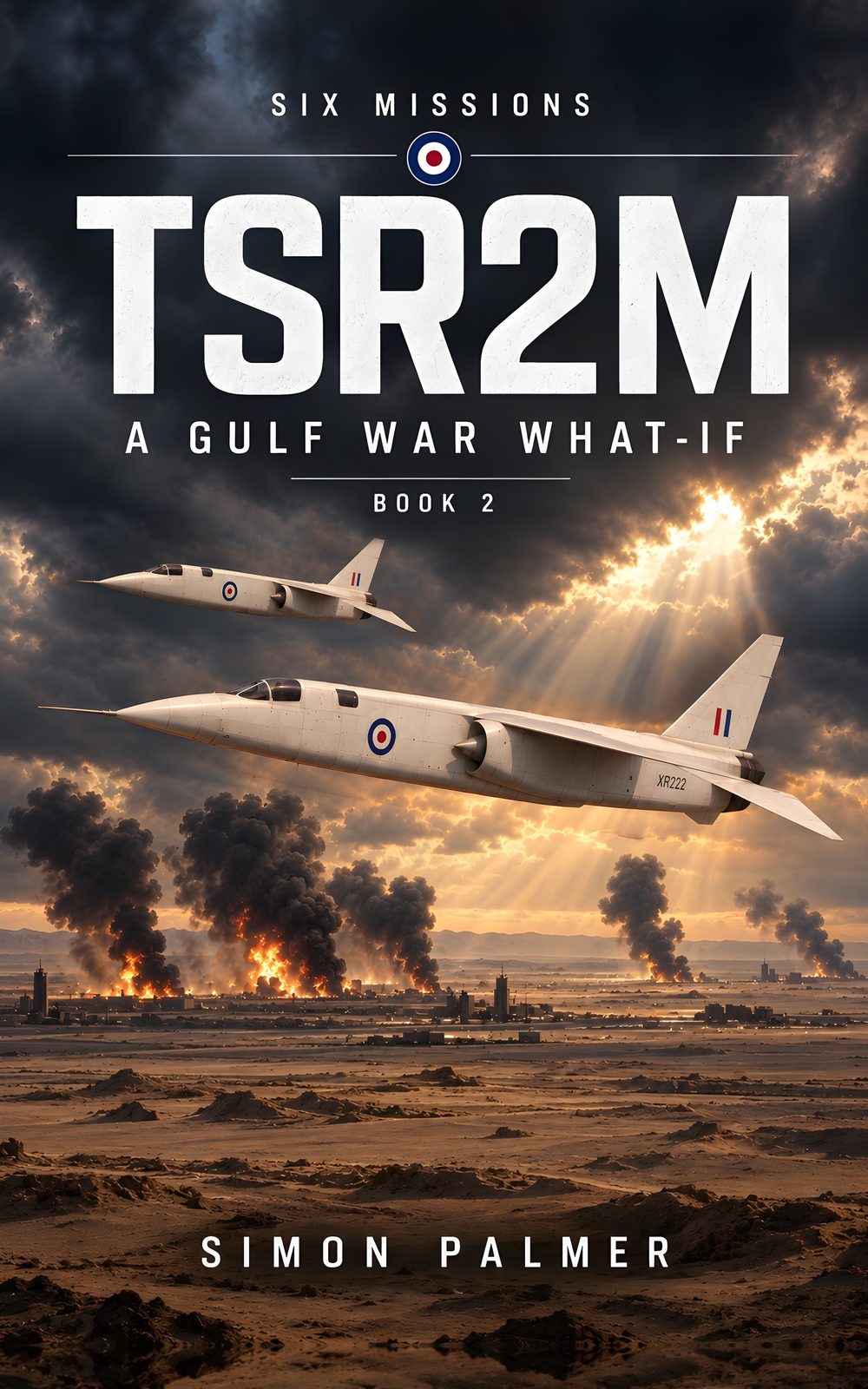
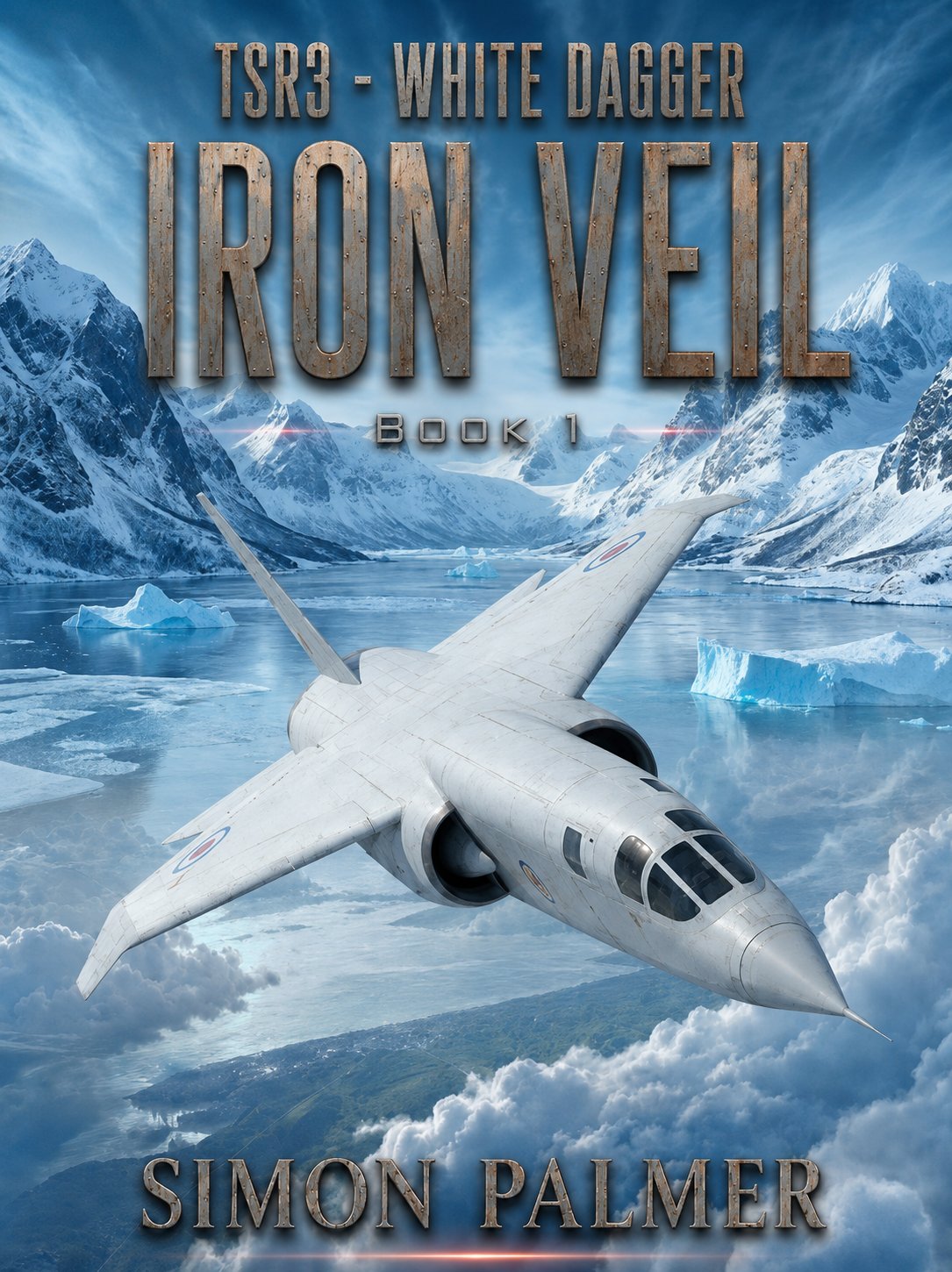
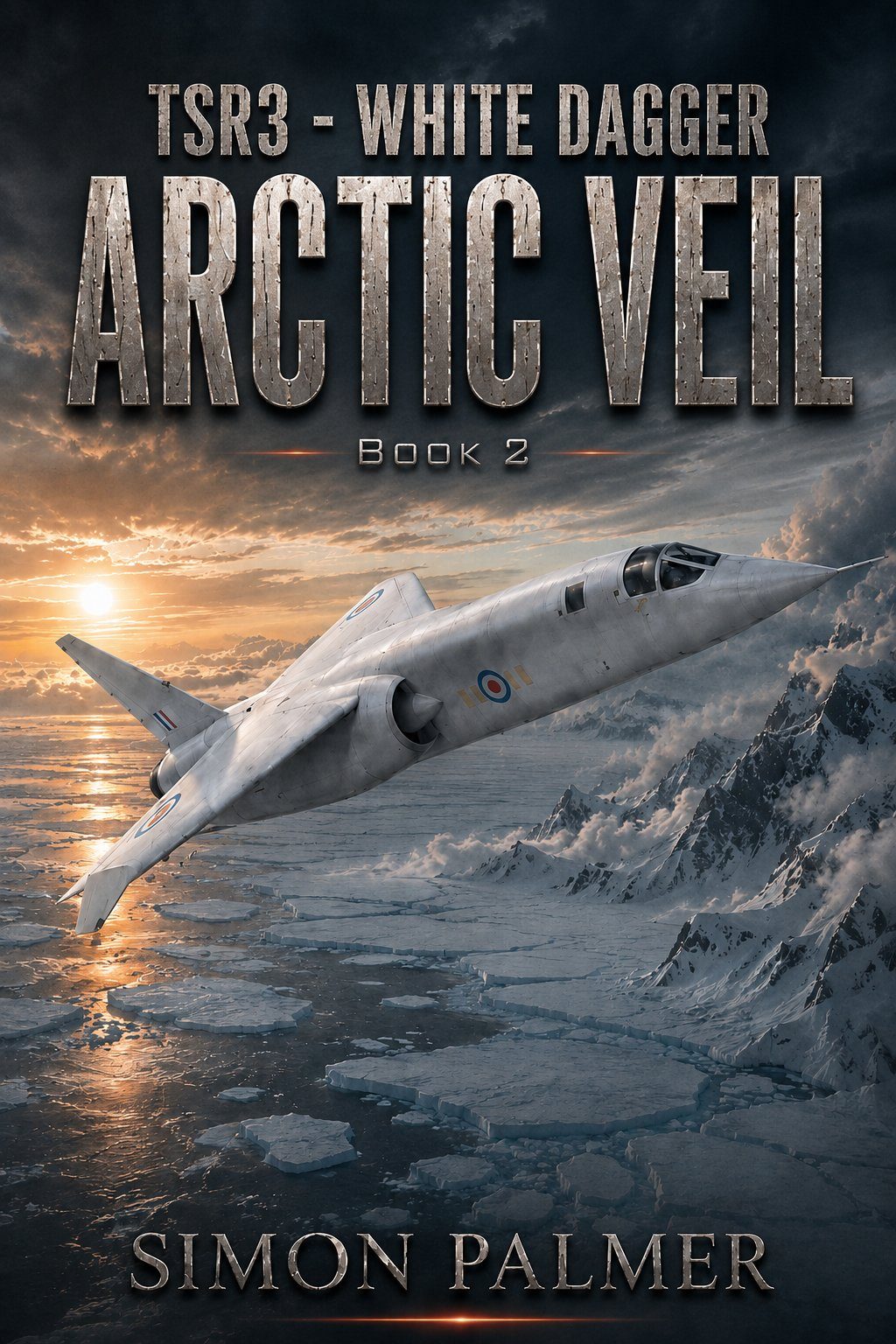
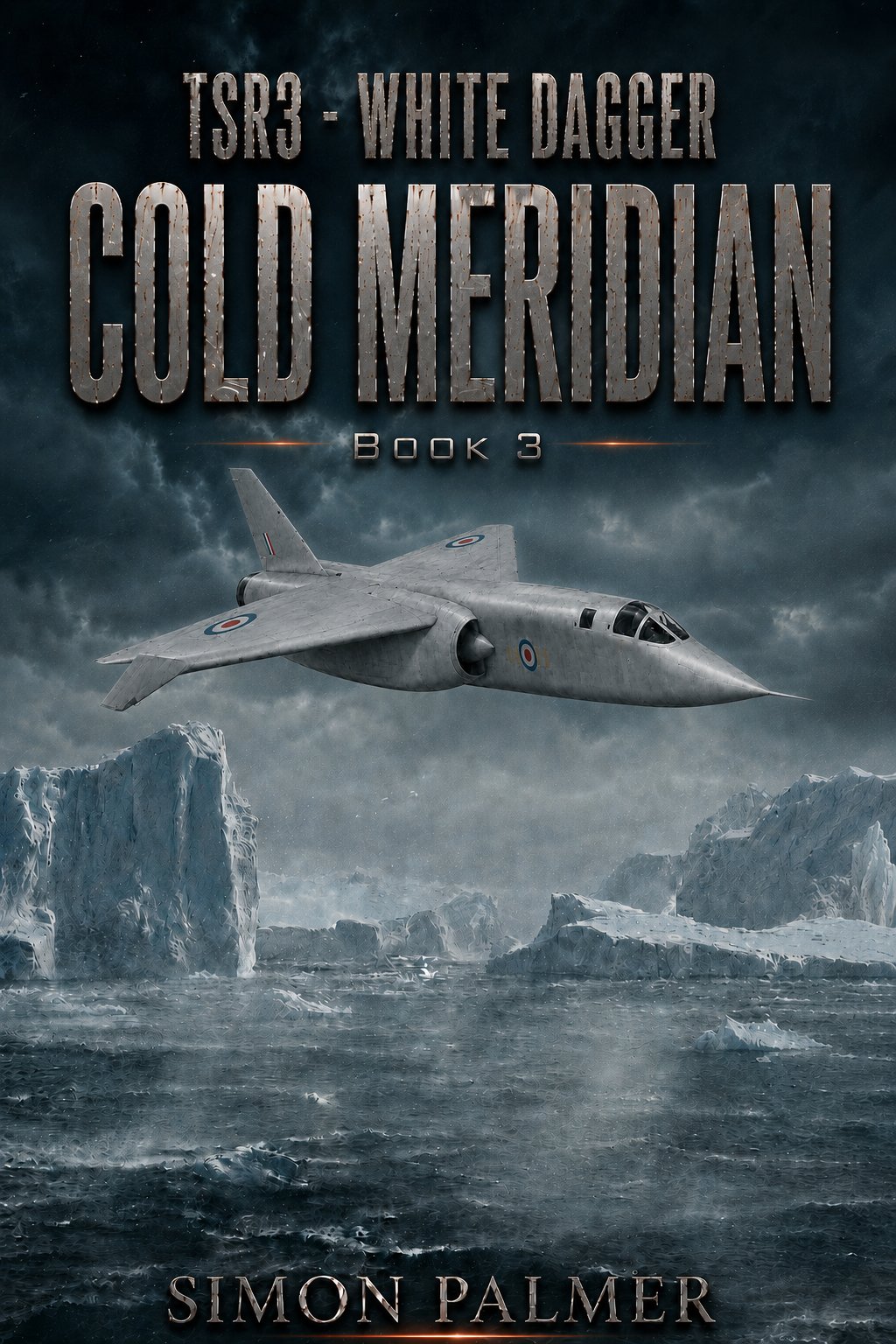
The aircraft the Cabinet cancelled in 1965 — and the war it was never meant to see.
Twenty-six flyable airframes. Two squadrons. Eight thousand miles of ocean and a Victor tanker chain whose margins are always thin, because thin margins are what this aircraft is for. Two aircraft cannot erase a coastline, and were never going to. What two aircraft can do is make every defence built out there cost more than it is worth — time, spares, ships that should be somewhere else.
BL755 has no seeker head and no laser. It wants three hundred feet, four hundred and fifty knots, and a straight, level run long enough for the pattern to lay down.
January 1991. Ghost and Raven fly the opening night as one small piece of a very large simultaneous effort: no solitary raid at the end of a lone tanker chain, but a coalition package whose entire ingress rests on a narrow, briefly-open overlap between two SAM envelopes, annotated on a photograph in grease pencil. Nobody explains the doctrine. The annotation does the work.
By the third mission the target is a hardened bunker, the designation is theirs alone, and there is no second aircraft holding the spot the way Buccaneers once did for Tornados.
One aircraft that was never cancelled, from the Falklands to the 2030s. Start anywhere — TSR2M is where it begins.
Details coming soon.
A new direction, currently in development. Full details will be published here closer to release.
Reader reviews for every Steel Fictions title currently on sale. Reviews are checked by the author before they appear here.
Simon Palmer is a Senior Software Engineer with over three decades of delivery across the UK's fast‑jet, UAV and next‑generation combat air programmes.
His career spans mission‑system development and integration, safety‑critical software engineering, and the leadership of engineering teams. He has delivered capabilities across platforms including Tornado GR4 & F3, F‑35, Nimrod MRA4, HERTI UAV and FCAS.
His fiction spans near-future AI warfare, RAF strike operations, and Second World War armoured combat — each series built on detailed technical research and an interest in how wars are actually fought at the tactical level: the gap between what the orders say and what the ground requires, told through the voices of professionals who understand their craft.
Steel Fictions publishes works of fiction created from publicly available information and independent research. The content is not affiliated with, endorsed by, or representative of any employer, government organisation, defence contractor, military organisation, programme, or project. Any resemblance to real organisations, programmes, individuals, or events is coincidental or used solely as inspiration within a fictional setting.